Making Sense of Our History

1950s and 60s
The Lavender Scare saw thousands of employees purged from the government simply for being who they were; mind you, many of them may not have even been LGBT but were expelled, nonetheless. Interrogation over being a Homosexual was commonplace at that time, as those in power thought that such an orientation was not only immoral but also compromised the security of the nation due to a perceived lack of mental strength.
1953
President Dwight Eisenhower signed Executive Order 10450, which sought to expand federal employment regulations with "sexual perversion" being a criterion for possible removal. Due to this action, it is estimated that at least ten thousand civil servants lost their jobs, according to the National LGBT Chamber of Commerce.

1969
A series of riots over police action against The Stonewall Inn, a gay bar in New York City's Greenwich Village, changed the LGBTQIA+ landscape overnight with the term "Stonewall" becoming synonymous with the pursuit of gay rights.
1978
Harvey Milk was the first openly gay man elected to public office in the United States. He sponsored a gay rights ordinance for the city of San Francisco that was signed into law by Mayor George Moscone, banning discrimination in public accommodations, housing, and employment based on sexual orientation just before being assassinated by Dan White.

1980
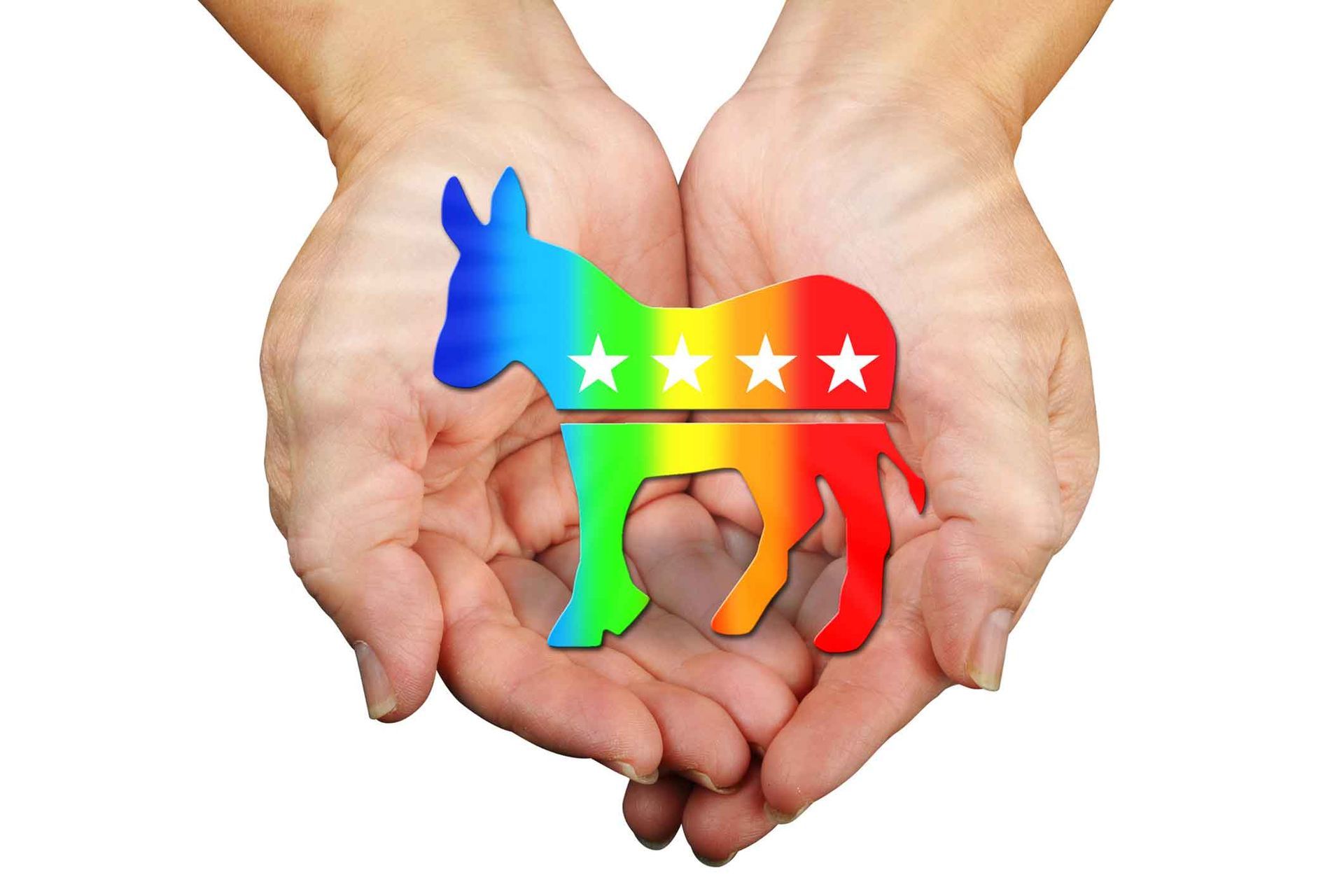
The Democratic Rules Committee states that it will not discriminate against homosexuals. The county's first endorsement of a homosexual rights platform was made by Democrats at their National Convention on August 11-14, becoming the first major political party to spearhead the cause.
1990
President George Bush signs the Ryan White Care Act, a federally funded program for people living with AIDS. Ryan White, an Indiana teenager, contracted AIDS in 1984 through a contaminated hemophilia treatment. The contraction of his disease led him to become a well-known activist for AIDS research and anti-discrimination upon being barred from attending school because of his HIV-positive status.
2000
Vermont becomes the first state in the U.S. to legalize civil unions and registered partnerships between same-sex couples.
2015
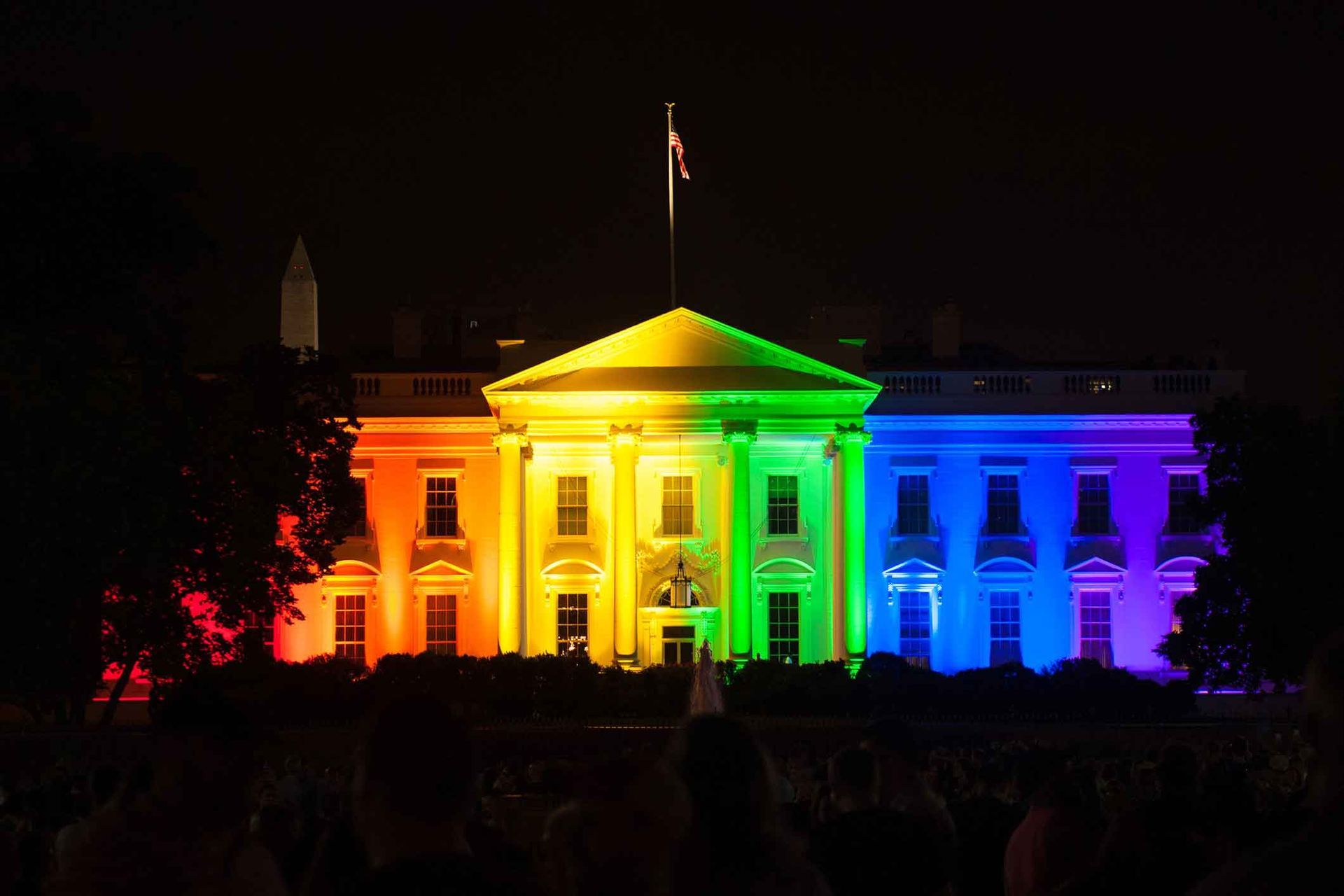
Gay marriage was legalized under the Obama administration. While a significant victory for the LGBTQIA+ community, there are still conservative efforts today that continue to challenge the equality we fight to achieve.
2022
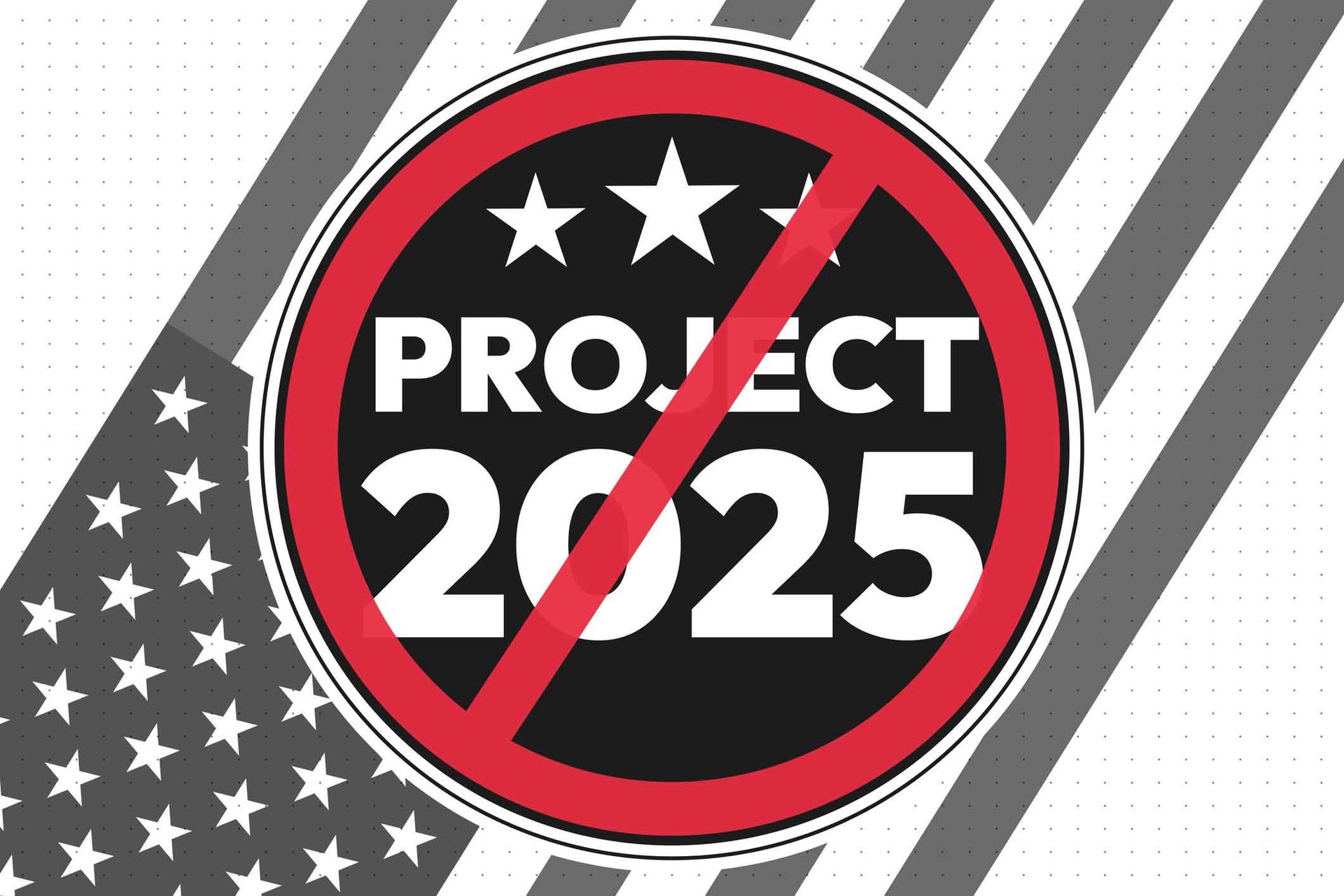
U.S. Supreme Court overturned Roe v. Wade with its decision in Dobbs v. Jackson Women's Health Organization, eliminating the federal right to abortion. Impending restrictions on LGBTQIA+ civil rights are outlined in Project 2025, which calls for removing the terms "sexual orientation" and "gender identity" from "every federal rule, agency regulation, contract, grant, regulation, and piece of legislation that exists." This erasure isn't symbolic—it's part of a systematic effort to strip LGBTQIA+ people of all legal protection from persecution, discrimination, and violence.
Today
This decade saw a generation of conservative officials propagate their ideological beliefs through policies and procedures. The ramifications of this cultural rhetoric are still felt today and have led to inequity throughout our government, which continues to prioritize some Americans over others.

Extreme Gender Affirming Care Ban (SB 254)
This bill asserts criminal penalties (including felony) on providers who give gender-affirming care, including debarment and loss of medical licenses for those providers. This bill also prohibits Medicaid from covering gender-affirming care for transgender youth or adults.
State of Connecticut
The LPC believes systemic change can be achieved by collaborating with municipal leaders to update policies, procedures, and best practices. Local government has a significant impact on residents' day-to-day quality of life. There are 169 municipalities in Connecticut, all of which interact with and work on behalf of diverse constituencies. The Lavender Policy Center has the expertise to conduct research and needs assessments, provide guidance and support in creating diversity positions, advocate and develop policies, and much more. We would also be a resource for elected leaders, party affiliates, private and nonprofit partners, and school boards to ensure equity in their programming and procedures.
LGBTQIA+ Graduation Rates in Connecticut
Apr 26, 2021
The Gay, Lesbian & Straight Education Network, also known as GLSEN, produced a report in 2016 that highlighted the condition of LGBTQIA+ students in our public schools. They made the claim, "LGBTQIA+ students face a distinct and daunting combination of forces chipping away at their connection to school, their will to persevere, and their ability to complete their studies." GLSEN also stated that these students "…are more vulnerable to the impact of discriminatory school policies and active discrimination on the part of some school faculty and staff."
To read GLSEN's full report,
please click here.
Trans Youth and Public / School Facilities
Mar 17, 2021
According to a 2019 study by the American Academy of Pediatrics, youth whose restroom and locker room use were restricted were more likely to experience sexual harassment and violence compared with those without restrictions. Executing the implementation of more inclusive policies will protect Trans and non-binary individuals and staff from a preventable situation that may prove harmful both physically and psychologically.
More information on this study can be
found here.
Analyzing Policy for a Better Future
Feb 20, 2021
In 1942, military regulations began listing homosexuality as an excludable characteristic. By the 1980s, the military branches of the United States government had discharged tens of thousands of men and women under the homosexual category. In 1992, President Bill Clinton attempted to reduce these expulsions by enacting the "Don't Ask, Don't Tell" policy. Though LGBTQIA+ individuals could now serve, they were often harassed, abused, assaulted, and humiliated by their peers and superiors with no real recourse. Though meant to be helpful, this policy ultimately caused irrevocable harm to the community.



